First impressions matter when you sell a house. Buyers compare your home with others on the market, first in the listing photographs and then on viewings. This guide sets out practical ways to make your house more appealing to buyers, from kerb appeal and staging to viewing day, together with the common mistakes that can slow a sale.
In this guide
Start with the price and the preparation
Boost your kerb appeal
Stage the inside of your home
Get ready for viewing day
Add the finishing touches
Make sure buyers see your home online
Have your next purchase ready
Compare estate agents
Start with the price and the preparation
Two common mistakes slow down many sales: putting a home on the market before it is ready and setting an unrealistic asking price.
Prepare before you list. Sellers often skip the last improvements before marketing. Clearing clutter, cleaning and staging your home before the photographs are taken helps it compete and gives you the best chance of achieving the asking price. Buyers are choosing a way of life as well as a building.
Price realistically. You may have a figure in mind that the market will not pay. Estate agents usually set an asking price by looking at comparable homes recently sold nearby, adjusted for the differences between them, because no two properties are identical. A price set too high can leave your home on the market for longer than you want. The final decision on the asking price and on any offer is yours. Our guide on how to value a house explains how to check the figure yourself. Our regional house price pages show recent prices in your area.
Boost your kerb appeal

Kerb appeal is how attractive your house looks from the street. Many buyers look at the outside of a property before they book a viewing, so the front of your home can decide whether they come in at all. Pay attention to the following:
- Front garden. Sweep up leaves, mow the lawn, weed beds and pots and remove dead flowers. If you do not want to maintain a lawn, gravel, pebbles or slate chips are low maintenance and can cover tired concrete or crazy paving. A garden rake restores a fresh look in minutes.
- Walls, fences and gates. Repair any damage and repaint where needed.
- Paintwork and roof. Sand back and repaint peeling exterior paintwork, ideally in a neutral colour. Replace any broken roof tiles.
- Windows. Clean them inside and out. Clean glass also lets more light into the rooms.
- Driveway and lights. Keep the driveway clear of leaves and debris and check that outside lights work, so that people passing in the evening see a well lit home.
- Scent. Scented plants such as lavender near the front door make a pleasant welcome.
Avoid covering the front garden in concrete. It soon looks tired and sends surface water into the street. If you want off-street parking, gravel laid over a permeable membrane lets water drain through while keeping the gravel separate from the soil.
In the back garden, clean the patio (a pressure washer helps with stubborn dirt), cut the grass, trim hedges and bushes and clean outdoor furniture. A table and chairs on a patio helps buyers picture eating outside.
Stage the inside of your home
Remove clutter
Clear the clutter before anyone views your home and before the marketing photographs are taken. Space sells. Clear rooms look bigger. Hallways soon fill with coats, shoes and umbrellas, so put them out of sight. Keep floors and worktops clear of piles of post and washing up. On open shelving, keep to a few books and plants rather than filling every shelf.
Paint the walls in neutral colours

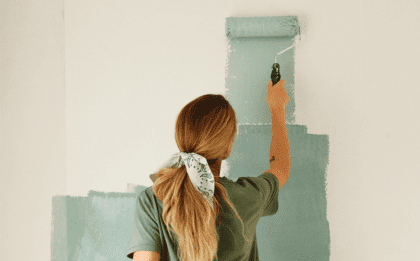
Fresh paint is one of the quickest and cheapest improvements. Bright colours are not to everyone’s taste, so choose neutral shades such as white, cream, grey or taupe. They make rooms look larger and brighter and make it easier for buyers to picture their own furniture in the space.
Replace worn carpets and flooring
Stained, ripped or worn carpets make a home look old and can be a trip hazard. If flooring is beyond repair, replace it in a neutral colour that suits the walls and décor. Wax tired wooden floors.
Make the rooms light and airy

Open blinds and curtains to let in as much daylight as possible and open a few windows to keep the air fresh. Replace any bulbs that have failed, since working lights show that the house is well maintained. Consider brighter bulbs and a few lamps in darker rooms. Wall mirrors reflect light and make rooms look larger. On a cold day, a lit log burner or fire makes a living room feel warm.
Clean thoroughly

A spotless home suggests that the owners look after it. Clean high surfaces first, then low ones. Finish with the floors. In particular:
- Remove limescale from the kitchen and bathroom.
- Clean or repair tile grout, which attracts mould in damp rooms.
- Wipe and polish door handles.
- Empty the bins before viewings so that there are no unpleasant smells. Consider a subtle air freshener.
Fix damp and mould
Damp and mould worry many buyers, so deal with them before you market your home. Kitchens and bathrooms are most prone because of the moisture. Painting over marks does not solve the problem, so you may need a specialist to find and fix the cause. Mouldy silicone sealant can be removed and replaced easily.
Arrange the furniture
Leave as much open, walkable space as possible so that buyers can move around easily and imagine their own furniture in place. Move oversized or damaged pieces that do not suit the room into storage while you are selling. Covers can hide a stained sofa. If you are selling the home furnished, you may need to replace some items so that they meet buyers’ expectations.
Get ready for viewing day
- Arrange care for pets. Some visitors have allergies, are nervous of animals or notice pet smells, so ask someone to look after pets during viewings.
- Keep the driveway clear. Buyers want to see the parking space available. If you can, park down the road so that visitors can park easily.
- Choose the time carefully. If you live near a school, avoid the school run, which can make the street seem busier than usual. Book daylight viewings where possible.
- Make visitors welcome. Offering a cup of tea while buyers ask questions helps them feel at home. A viewing is about the whole experience as well as the property.
- Point out the best features. Mention what you value about the home, such as a quiet street, nearby schools or extra storage, so that buyers see its benefits.
Add the finishing touches

Once the main work is done, a few small additions give the home a lived-in feel. Do not overdo them.
- Fresh flowers or a bowl of fruit in the kitchen or dining area.
- New, fluffy towels in the bathroom.
- A fresh bedspread, smooth bedding and a throw in the bedrooms.
- Scatter cushions and a throw on the sofa in tones that suit the colour scheme.
- A few potted plants around the house.
- Wall art or new light fittings to add character.
Make sure buyers see your home online
Most buyers start their search online, so relying on traditional methods alone is a mistake. A listing on the main property portals, such as Rightmove and Zoopla, is essential. Good photographs, a floor plan and a virtual viewing help buyers decide whether to visit. Ask each agent you consider how they will market your home and which portals they use.
Compare online estate agents as well as high street agents. Online agents usually charge a fixed fee, typically £500 to £1,500 (Rightmove, 2025), while the average estate agent fee is about 1.3% of the sale price including VAT (Which?, citing Rightmove data for 2025). Our estate agent fees guide explains the differences. Our guide to the cost of selling a house in the UK covers the other costs.
Have your next purchase ready
Delaying your mortgage arrangements is another common mistake. Before you put your home on the market, check that you can buy your next one. If it will cost more, compare which lenders can offer you the best deal. If you have a mortgage now, ask your lender whether you can transfer it to the new property, known as porting. An agreement in principle from a lender also gives you an advantage over buyers without one and helps prevent delays once you find a buyer.
Compare estate agents
An estate agent who markets your home well and handles viewings effectively can make a real difference to how quickly it sells. On easyProperty you can enter your postcode and compare fee proposals from local high street and online estate agents, including their fees, services and track records. It is free for sellers and carries no obligation.