If you plan to sell in the foreseeable future, it can be hard to decide whether improvements are worth the cost. Some work adds clear value or helps a home sell, while other spending is unlikely to come back in the price. This guide explains how to plan and budget, then sets out the home improvements most likely to increase your property’s value and appeal to buyers. It ends with what to check if you are buying a property to renovate.
In this guide
Plan and budget first
Deal with structural issues
Repairs and decorating
Clean and declutter
Tidy the garden
Improve energy efficiency
Consider a loft conversion
Update the bathroom
Revamp the kitchen
Create off-street parking
Finishing touches
Buying a property to renovate
Plan and budget first
Renovation can take a large share of your savings. Planning ahead helps you set a budget and focus on the work that gives the best return. Before you start:
- Find out what your home is worth now and what similar homes with the improvement have sold for nearby. Our guide on how to value a house and our regional house price pages will help.
- Get more than one quote for any significant work and compare the cost with the likely increase in value.
- Keep any project in proportion to the value of the house and the prices in your street.
- Check with your council whether the work needs planning permission or building regulations approval. Keep the paperwork, because buyers’ solicitors will ask for it.
Deal with structural issues
Problems such as subsidence have a large effect on value and will be found by a buyer’s survey. Structural repairs are often the most expensive part of a renovation, but they can be essential if you want to protect or add value. Examples of structural defects include:
- Rising damp
- Structural cracks in walls
- Insect infestation
- Missing or broken roof timbers
- An unstable chimney stack
- A collapsed floor or slab
- Bowing walls
- A sagging or leaking roof
Ask a surveyor to inspect the property before you start any of this work.
Repairs and decorating
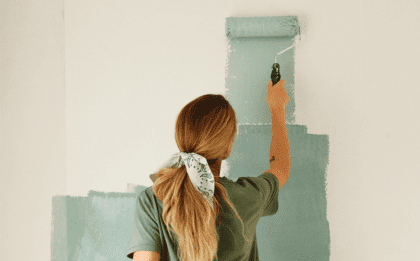
Fresh paint, new carpets and small repairs make a property more appealing and improve your chance of achieving the best price. Common repairs include:
- Broken taps, flooring or tiles
- Cracks in ceilings and plasterwork
- Broken door latches
- Mouldy sealant in the kitchen and bathroom
- Sticking windows and doors
- Skirting boards and doors that need repainting
Decorate the outside too. Repaint the fence or front door, add flowers or hanging baskets, move bins out of sight and clear any clutter from the front of the house.
Clean and declutter
A clean, uncluttered home shows buyers how much space there is. Letting go of possessions is not always easy, but it helps to start thinking of the house as a property for sale rather than your home.

- Clean windows inside and out, because dirty glass makes rooms darker and smaller.
- Remove heavy window coverings or open them fully for viewings.
- Clear the kitchen worktops and make sure the kitchen smells fresh.
- Keep open shelving neat and show how it can be useful.
- Replace old sponges and washing-up liquid bottles with fresh hand soap.
- Polish taps until they shine.
- Add new towels for colour and a well presented feel.
- Use a mirror to make a room look larger and add flowers or plants.
For more presentation ideas, see our guide on how to make your house more appealing to buyers.
Tidy the garden
A garden of any size is a major selling point, but an overgrown one puts buyers off.
- Trim overgrown hedges and mow the lawn.
- Repair damaged fencing, patio slabs, paving and decking.
- Add colour with inexpensive pots and bedding plants, particularly in spring and summer.
- Consider a summer house, which buyers can see as an extra room for relaxing, working or children’s play.
- Set out a table and chairs so that buyers can picture eating outside.
Improve energy efficiency
Energy is one of the largest running costs of a home. Buyers can see your property’s energy rating on its Energy Performance Certificate (EPC), which you need before you market it. An EPC costs about £65 up to £120 (Which?, January 2026). Improvements that can make a home more efficient include:
- Replacing old windows with double glazing
- Installing a new boiler if the current one is near the end of its life
- Adding cavity wall insulation
- Insulating the loft
- Fitting solar panels
Consider a loft conversion
Where a side or rear extension is impractical or unlikely to get planning permission, you may be able to build into the roof. A loft conversion can create an extra bedroom, a study or a play area. One that adds a bedroom and a bathroom can make a significant difference to value. Compare the full cost of the project with the prices of similar homes nearby before you commit.
Update the bathroom
A new bathroom adds value but can be expensive. You can update it on a budget. Keeping the same layout keeps costs down.
- Update the shower enclosure.
- Replace or repair tired grout and silicone.
- Repaint peeling or moisture-damaged areas.
- Fit new taps if limescale cannot be removed.
- Replace broken or cracked toilet seats.
- Consider new vinyl or laminate flooring.
Revamp the kitchen
Many buyers see the kitchen as the most important room, so make sure it looks its best before you sell.

- Keep the existing units and replace the doors or handles.
- Improve the lighting so that the kitchen is well lit.
- Replace worn worktops. A kitchen can look good without bespoke features.
- Keep any new kitchen in proportion to the value of the house.
- Add integrated appliances such as a dishwasher, which many buyers value.
- Replace worn taps or fit a new sink.
Create off-street parking
In busy areas where parking is difficult, being able to park outside your own front door is a strong selling point. If you have room for a driveway, it can make your home more attractive to buyers. Check with your council before you start, because you may need permission for a dropped kerb or for some types of hard surface.
Finishing touches
- Choose an accent colour and use it throughout the house to link the rooms.
- Add a runner or a centrepiece to the dining table.
- Change light fittings to make rooms look bigger and brighter.
- Use fresh bedding, cushions and a throw to make bedrooms comfortable.
- Plump up the sofa cushions or add more.
- Clean old rugs or remove them while the property is being shown.
Buying a property to renovate
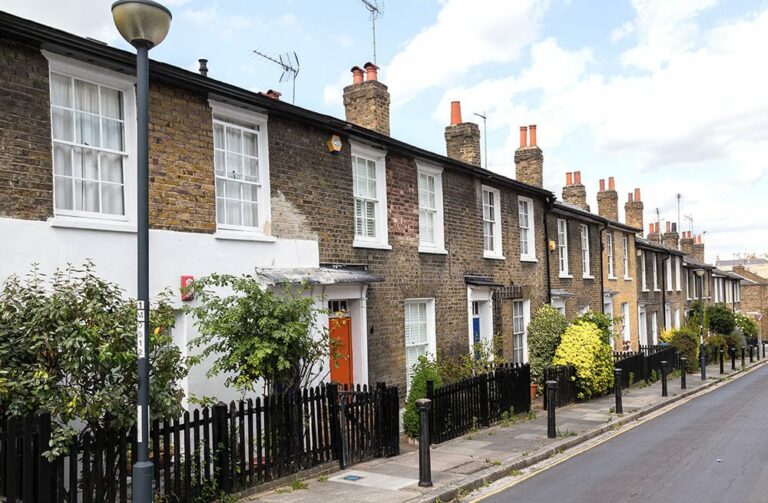
If you are looking for a property to improve, decide first what kind of project you want. For a large extension that increases the footprint, a bungalow or a property with plenty of land gives more flexibility. If you want a sound structure that needs updating inside, three or four bedroom semi-detached or terraced houses are worth considering. Search the property portals, such as Rightmove and Zoopla. Set a firm budget for both the purchase and the work.

Consider the bigger picture before you buy:
- Location. You can change the property but not where it is. Check transport links, schools and whether the area suits the way you live.
- Restrictions. Find out whether the property is freehold or leasehold and whether planning permission is likely. Check the council’s planning records for past applications and refusals. Look at what neighbouring properties have been allowed to do.
Look for signs of problems when you view:
- Damp. Signs include a musty smell, cold or wet walls, flaking plaster and water marks on walls or ceilings.
- Cracks. Note any cracks in walls and ceilings.
- Roof. Find out what the roof is made of and how old it is.
- Japanese knotweed. This invasive plant can damage buildings. Many lenders will only lend on an affected property if there is a professional treatment plan with an insurance-backed guarantee. It can affect value, but it need not stop a purchase if you are prepared for it.
These checks only give an early indication. Always have a professional survey carried out before you exchange contracts. If the survey finds problems, our guide on how to negotiate the house price after a survey explains your options.
Compare estate agents when you sell
Once the work is finished, choosing the right estate agent helps you achieve the value you have added. Enter your postcode on easyProperty to compare fee proposals from local high street and online estate agents side by side, free and with no obligation. Our estate agent fees guide explains what agents typically charge.